Published on: Nov 19, 2021
Getting lots of natural light into a home is one of the most desirable aspects of interior design and build projects, whether this involves building an extension with this as a priority, or making the most of what you have.
To do this in summer is to give yourself an experience of a sunny day even when indoors, but perhaps it is even more important in winter, when the days are short, the sun low and its illumination weak.
Firstly, your focus should be on the south-facing side of the house, as this is the only part that will get much light in winter. Bigger windows to the west and east will only have a major impact from spring onwards and anything north-facing, or a skylight, will have the most impact on summer.
Bigger windows on the south side, however, will definitely play a key role, and the ideal will be floor-to-ceiling panes.
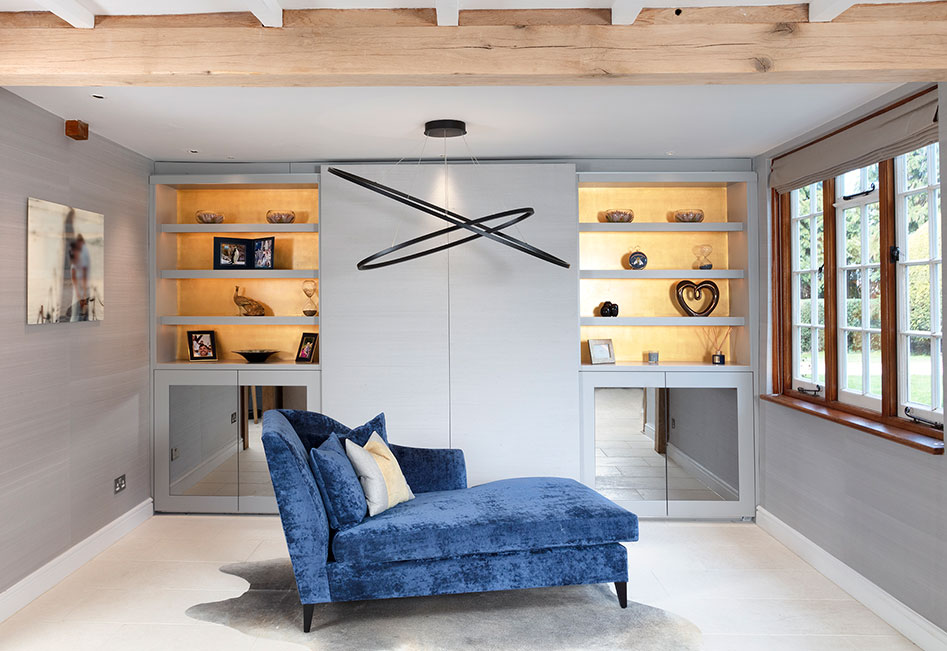
To help further, don’t place furniture right in front of the window as this will block it off – and could also leave people sitting with their back to the main source of light anyway. A far better idea is to have everything arranged away from the windows where you can enjoy the light coming in and, where anything reflective can add to the lustre.
To complement this, you can also think about the artificial lighting you have in the home. Mood lighting can make a major difference throughout the season, and this is likely to be particularly useful in January, as sometimes the month can feel very gloomy and depressing after the Christmas lights come down.
You may not be able to replicate the festivities in January, but you can still have lots of light. This may be even more important if you struggle with seasonal affective disorder.
Of course, aligning your interiors to get extra illumination in winter might bring a bit too much in summer. But then you can always make a few more adjustments in late spring to add a bit of shade, ensuring you have a level of light you are happy with all year round.